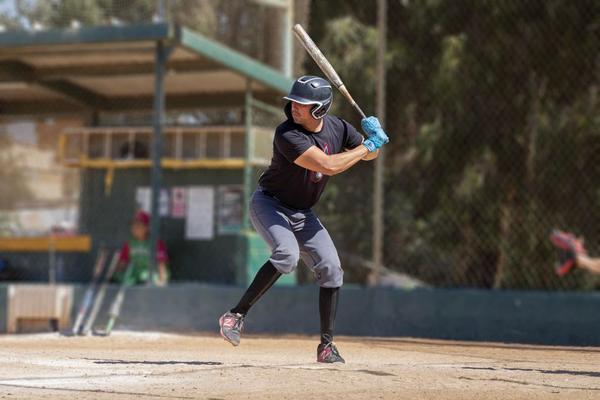
Choosing the right baseball bat size is less about finding one “correct” number and more about matching the bat to the player, competition level, and league rules. A bat can be legal but still feel too long or too heavy, which often shows up as late swings, poor barrel control, or altered mechanics.
A practical baseball bat size guide starts with three measurements: length, weight, and drop. After that, barrel diameter and certification marks become easier to understand. The goal is to choose a bat the player can control at game speed while staying legal for the format.
How Baseball Bat Length, Weight and Drop Work
Baseball bat length is measured in inches from the knob to the end cap. Longer bats can provide more plate coverage and leverage, but more length is not automatically better. An oversized bat can make it harder to keep the hands quick and the barrel on the intended path.
Baseball bat weight is listed in ounces. Two bats with the same length can feel very different because of total weight and balance. An end-loaded model carries more mass toward the barrel, while a balanced bat often feels easier to control.
Bat Drop Explained
Drop is the difference between a bat’s length in inches and its weight in ounces. A 30-inch bat weighing 20 ounces is a drop 10, written as -10. A 32-inch bat weighing 29 ounces is a -3.
A larger negative number generally means a lighter bat for its length. Many developing players use lighter-drop bats before progressing toward heavier models, but drop should never be chosen alone. Players of the same age can have very different strength, bat speed, and swing mechanics.
Check the Rules Before You Shop
The first buying question should be “What certification does this league require?” In many U.S. youth leagues that follow the USA Baseball standard, non-wood bats need the USABat certification mark. USABat itself does not impose one universal drop-weight limit, so approved bats can come in different drops.
BBCOR is commonly used for older competitive baseball, including high school and college play. BBCOR bats are generally limited to a -3 length-to-weight ratio and a barrel diameter no greater than 2 5/8 inches. League-specific rules still control what is legal, so check the current rulebook before purchasing.
Little League shows why this matters. Majors and below use USABat rules for non-wood bats, while Intermediate and Junior divisions can permit USABat or BBCOR bats. Senior League uses BBCOR. A bat that worked last season may therefore be unsuitable after a player moves to a new division.
How to Choose a Practical Bat Length
Age and height charts are useful starting points, not final answers. Two 12-year-old players may have different reach, strength, bat speed, and mechanics. Narrow the choice to one or two reasonable lengths, then test control.
Have the player take normal dry swings rather than slow demonstration swings. Watch whether the barrel stays on plane, the hands remain quick, and the player can finish without losing balance. If the bat drags or the front shoulder opens early just to move the barrel, the bat may be too long, too heavy, or both.
For example, consider a player choosing between a 30-inch -10 and a 31-inch -10. The longer bat adds one ounce as well as one inch. If the 31-inch model produces slower swings or poorer contact during front toss, the 30-inch bat is probably the better game bat even if a chart suggests the longer size.
When to Move to a Heavier Bat
Players often assume they should move to a smaller drop as soon as they get stronger. A better test is whether swing quality stays consistent with the heavier option. Moving from -10 to -8 can make sense for some players, but only if timing and barrel control remain solid.
Test a heavier bat during tee work, front toss, and batting practice. If bat speed falls sharply, contact shifts toward the handle, or timing becomes consistently late, the jump may be too aggressive. A slightly lighter bat that is squared up more often is usually more useful than a heavier bat that disrupts the swing.
Barrel Size and Balance Matter Too
Barrel diameter is another important specification. Bats are commonly available with barrels up to 2 5/8 inches where the rules allow it. A larger barrel does not compensate for a bat that is too heavy or poorly matched to the hitter.
Balance can matter as much as listed weight. If two legal bats have identical length and weight, a balanced model may feel faster through the zone, while an end-loaded model may suit a stronger hitter with established barrel control. When possible, compare bats in the same practice session.
A Simple Buying Checklist
Before purchasing, confirm the league’s certification requirement, maximum length, barrel limit, and any drop restriction. Then choose a length the player can control, compare the listed weight, and test the bat’s balance. Finally, inspect the permanent certification mark and make sure the exact model is approved for the player’s division.
Useful related topics for further reading include youth baseball bat materials, BBCOR bat requirements, and choosing baseball batting gloves. Those subjects help complete the equipment decision without treating bat size as the only factor.
Frequently Asked Questions
What does drop 10 mean on a baseball bat?
A -10 bat weighs 10 ounces less than its length in inches. A 30-inch -10 bat weighs 20 ounces. The drop describes the length-to-weight relationship, not the quality of the bat.
Is a longer baseball bat always better?
No. Extra length can increase reach, but it can also reduce barrel control and slow the swing. The best baseball bat length is one the hitter can control at full game speed.
What drop is required for USABat?
USABat does not have one universal drop-weight limit. Approved USABat models can have different drops. A specific league or division may still impose additional equipment rules.
What drop is a BBCOR bat?
BBCOR bats used under the standard are generally -3. A 33-inch BBCOR bat, for example, would weigh 30 ounces.
Choose Control Before Size
The best baseball bat sizes fit both the rulebook and the hitter. Start with legal certification, then compare baseball bat length, baseball bat weight, drop, and balance in real swings. A player who controls the barrel consistently will usually benefit more from a slightly shorter or lighter bat than from a larger model that disrupts timing. Use sizing charts as a starting point, test the finalists at realistic swing speed, and choose the bat that allows a comfortable, repeatable swing.