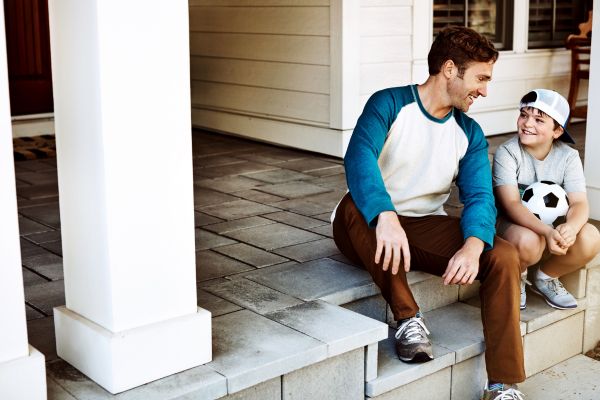
The first experience a child has with sport can shape how they feel about physical activity for years. A patient introduction may spark curiosity and confidence, while an overly demanding lesson can make even a simple game feel intimidating. Teaching beginners is therefore about much more than demonstrating the correct way to throw, catch, kick, or run.
Good instruction makes movement understandable. It gives learners enough structure to improve without removing the playful side of sport. Whether you are coaching children, teaching a school class, or helping someone try a new activity, the same principle applies: start with what the learner can do and build from there.
Understand the Learner Before Teaching the Skill
Anyone exploring how to teach basic sports skills should begin by considering age, coordination, confidence, and previous experience. Two learners of the same age may have completely different needs. One might be comfortable chasing a ball, while another may step away whenever it comes near.
Young children are still developing balance, spatial awareness, and control over their movements. Instructions that seem obvious to an adult may involve several difficult actions for them. Catching a ball, for instance, requires the learner to track its direction, position the body, prepare the hands, and react at the correct moment.
Beginners need permission to learn gradually. Avoid comparing them with more experienced participants. Instead, notice individual progress, even when it appears small. A learner who finally makes contact with the ball has achieved something meaningful, regardless of where the ball travels next.
Begin With Fundamental Movement
Sport-specific techniques are easier to learn when basic movement skills are already developing. Running, jumping, stopping, turning, balancing, throwing, and catching appear across a wide range of activities. These movements create a physical foundation that can later support more specialized techniques.
Simple movement games can develop these abilities without feeling like formal training. Learners might change direction in response to a signal, balance while reaching for an object, or move through an open space without touching anyone else. Such activities improve control while keeping attention high.
Coordination takes time, particularly in childhood. A learner may understand an instruction but still be unable to perform it smoothly. This is not laziness or a lack of concentration. The body is learning how to organize a new pattern, and that process requires repeated experience.
Break Each Skill Into Manageable Parts
A complete sports skill often contains several connected actions. Asking a beginner to perform everything at once can be overwhelming. Breaking the movement into smaller parts makes it easier to understand and repeat.
When teaching a basic throw, for example, you might first establish a balanced stance. The learner can then practice taking the throwing arm back, stepping with the opposite foot, and following through toward the target. Once each part feels familiar, the actions can be joined into one fluid movement.
The breakdown should remain simple. Too many technical details can create stiffness and confusion. Focus on the one or two elements that make the greatest difference. As the learner becomes more comfortable, additional refinements can be introduced naturally.
It is also helpful to return to the whole movement regularly. Skills should not remain separated forever. The eventual goal is a coordinated action that works in a game, not a collection of isolated positions.
Demonstrate Clearly and Keep Explanations Short
Beginners often understand movement more easily when they can see it. Demonstrate the skill at a realistic speed, then repeat it slowly enough for learners to notice the key actions. Position yourself where everyone has a clear view, and use equipment that is easy to see.
Verbal instructions should be brief and specific. A long explanation about body mechanics may be accurate, but it is rarely useful to a child waiting to play. Simple cues such as “watch the ball,” “step toward the target,” or “use the inside of your foot” are easier to remember.
After the demonstration, let participants try the skill quickly. Practice will reveal which parts they understand and where they need help. Further instruction can then respond to what is actually happening rather than anticipating every possible mistake.
Choose Equipment That Supports Success
Standard sports equipment is not always suitable for beginners. A ball that is too heavy, hard, or large can make a basic task unnecessarily difficult. Smaller playing areas, lower targets, lighter bats, and softer balls can help learners experience the correct movement with less fear.
Equipment adjustments are not shortcuts. They create an appropriate learning environment. A child who is nervous about catching may feel more comfortable beginning with a scarf, balloon, or soft foam ball. These objects travel slowly and allow more reaction time. Once confidence improves, the challenge can gradually increase.
The surroundings matter as well. Make sure the playing surface is safe, the boundaries are visible, and participants have enough room to move. A crowded or poorly organized area can distract beginners and increase the risk of collisions.
Use Repetition Without Making Practice Dull
Repetition is essential because the body needs multiple attempts to become familiar with a movement. However, repeating the same drill in exactly the same way can quickly become tedious.
Small variations keep practice fresh while reinforcing the same skill. Learners might pass to a partner, aim at a target, move before receiving the ball, or attempt the action from different distances. The core technique remains, but the surrounding challenge changes.
Short activities usually work better than long blocks of practice. Young learners, in particular, benefit from moving between tasks before concentration fades. Returning to the same skill later in the session can provide additional repetition without creating boredom.
Give Feedback That Builds Understanding
Useful feedback tells learners what happened and what they can adjust. General praise may feel encouraging, but specific comments are more informative. Saying, “You stepped toward the target that time,” helps the learner recognize the action that improved the throw.
Corrections should be limited. Pointing out several problems at once can leave a beginner unsure about what to change first. Select the most important detail, allow time to practice it, and then move to another point when the learner is ready.
The tone of feedback matters. Mistakes are a normal part of learning movement, not evidence that someone is bad at sport. Calm, practical guidance helps participants remain willing to experiment. Encouragement should be genuine, especially when a learner shows effort, persistence, or improvement.
Progress From Practice to Play
A skill becomes meaningful when it is used in a game or realistic situation. Passing a stationary ball between two cones is a useful beginning, but sport eventually involves teammates, opponents, movement, space, and decisions.
Introduce pressure gradually. A passing activity might begin without defenders, then include a passive defender before becoming a small game. A catching exercise may start with gentle underarm throws and progress toward catching while moving.
Small-sided games are particularly effective because they give everyone more involvement. With fewer participants, each learner receives more chances to touch the ball, make decisions, and apply the skill. The game can also be adjusted to emphasize the lesson, perhaps by awarding points for successful passes or accurate throws.
Coaches and teachers should resist the urge to control every action. Learners need opportunities to make choices, including choices that do not work. Discovering why a pass was intercepted can be more memorable than being told where to pass before the situation develops.
Make Activities Inclusive and Enjoyable
Not every participant learns at the same pace. Some need a simpler version of an activity, while others need an extra challenge. Adjusting distance, speed, equipment, or rules allows everyone to work on the same general skill at an appropriate level.
Avoid activities that eliminate learners for long periods. Being “out” may turn a minor mistake into several minutes of standing and watching. Games that allow quick re-entry or continued participation provide more practice and reduce embarrassment.
Enjoyment should not be mistaken for a lack of learning. When participants are active, curious, and willing to try again, they are often learning a great deal. Laughter and concentration can exist in the same session.
Build Safety Into Every Lesson
Before beginning, check the space and equipment for possible hazards. Allow enough distance between participants, establish clear stopping signals, and provide suitable breaks. Weather conditions, hydration, clothing, and footwear should also be considered.
Emotional safety deserves equal attention. Mocking, harsh criticism, and aggressive competition can discourage beginners quickly. Establish expectations for respect and deal with unkind behavior early. Learners improve more readily when they feel accepted by the group.
Let Confidence Grow Alongside Technique
Understanding how to teach basic sports skills means recognizing that technical progress and confidence are closely connected. Learners need clear demonstrations, manageable challenges, useful repetition, and enough freedom to discover movement for themselves.
The early goal is not perfection. It is helping participants feel capable enough to keep trying. A well-taught beginner may not master every technique immediately, but they will leave with better control, greater understanding, and a positive reason to return. In the long run, that willingness to continue is one of the most valuable skills any coach or teacher can develop.