When kids are full of energy and the weather refuses to cooperate, parents often find themselves searching for creative ways to keep little bodies moving. Rainy afternoons, icy winters, heatwaves, or limited outdoor space can all turn outdoor play into a challenge. That is where indoor sports for kids quietly step in, offering movement, learning, and fun without relying on sunshine or wide-open fields.
Indoor sports are more than a backup plan for bad weather. They can become a consistent part of a child’s routine, building physical strength, emotional confidence, and social skills in ways that feel playful rather than forced. Whether practiced at home, in a community center, or at school, these activities help kids stay active year-round while discovering what their bodies can do.
Why Indoor Sports Matter More Than We Think
Children naturally learn through movement. Running, jumping, throwing, and balancing are not just ways to burn energy. They shape coordination, attention, and problem-solving skills. Indoor sports for kids offer structured movement that fits into modern lifestyles, especially for families living in apartments or urban areas.
There is also something uniquely comforting about indoor play. It removes distractions like extreme weather or unsafe outdoor conditions and replaces them with focused environments. Kids can concentrate on skills, teamwork, and creativity without feeling rushed back inside. Over time, this consistency helps build habits that support long-term physical health.
Gymnastics as a Foundation for Movement
Gymnastics is often one of the first indoor sports children encounter, and for good reason. It teaches balance, flexibility, strength, and body awareness all at once. Even simple movements like rolling, jumping, or holding positions encourage kids to understand how their bodies move through space.
What makes gymnastics especially valuable indoors is its adaptability. It can be practiced in formal classes with mats and equipment or in simplified forms at home using safe, open floor space. Kids gain confidence as they master movements, and that confidence often spills into other sports and activities.
Indoor Swimming and Water-Based Activities
Swimming is commonly associated with outdoor pools, but many communities offer indoor swimming facilities that make it a year-round sport. For kids, swimming feels less like exercise and more like play, even though it engages nearly every muscle group.
Indoor swimming helps improve endurance, coordination, and breathing control. It is also gentle on joints, making it suitable for children of different fitness levels. Beyond physical benefits, water-based activities often teach patience and focus, especially as kids learn to follow instructions and build skills gradually.
Martial Arts and the Power of Discipline
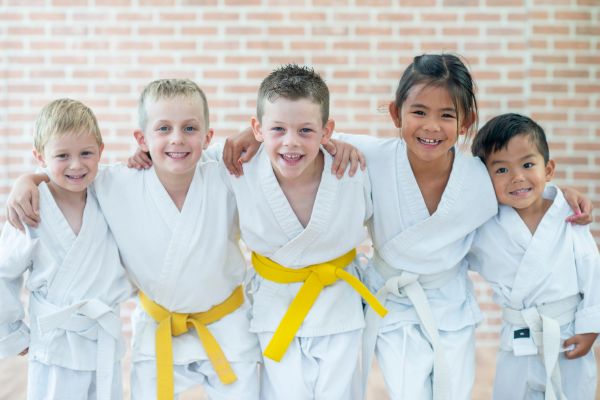
Martial arts such as karate, taekwondo, or judo are popular indoor sports for kids who enjoy structure mixed with movement. These activities emphasize respect, self-control, and discipline alongside physical training.
Classes often follow predictable routines, which can be reassuring for children who thrive on consistency. Over time, kids learn how to channel energy into controlled movements, improving both physical strength and emotional regulation. Many parents notice that children carry lessons of focus and respect from martial arts into school and everyday interactions.
Indoor Team Sports That Build Connection
Team sports do not disappear just because play moves indoors. Basketball, futsal, indoor soccer, and even modified versions of hockey or volleyball are commonly played in gyms and recreation centers. These sports help kids understand cooperation, communication, and shared goals.
Indoor team sports for kids often feel more fast-paced due to smaller spaces, which can sharpen reaction time and decision-making. The close environment also encourages interaction, helping children build friendships and learn how to work through wins and losses together.
Dance as Sport, Art, and Expression
Dance deserves its place among indoor sports, even though it often carries an artistic label. From ballet and jazz to hip-hop and contemporary styles, dance demands strength, flexibility, rhythm, and endurance.
For kids who may not connect with traditional sports, dance offers an alternative path to physical activity. It allows emotional expression through movement while still providing structured training. Indoor dance classes often become safe spaces where kids feel comfortable exploring creativity while staying active.
Table Tennis, Badminton, and Precision Sports
Not all indoor sports for kids rely on running and jumping. Precision-based sports like table tennis and badminton focus on hand-eye coordination, timing, and strategic thinking. These activities can be especially appealing to children who enjoy quick challenges and problem-solving.
Because they require less space, these sports are easy to introduce at home or in small indoor facilities. Over time, kids develop patience and concentration, learning how small adjustments can lead to better results.
Creative Indoor Sports at Home
Not every family has access to gyms or sports centers, but indoor sports can still thrive at home. Simple obstacle courses, yoga-inspired movement sessions, or mini-games using soft balls can transform living rooms into active spaces.
The key is creativity rather than perfection. Kids often enjoy inventing rules, modifying movements, and turning everyday objects into equipment. These informal indoor sports experiences can be just as valuable as structured programs, especially when parents or siblings join in.
Emotional and Social Benefits Beyond Fitness
While physical health is a major advantage, indoor sports for kids also support emotional growth. Movement helps reduce stress, improve mood, and boost self-esteem. Kids who regularly engage in indoor sports often develop a stronger sense of routine and accomplishment.
Socially, shared activities create opportunities for connection. Whether it is learning a routine together, practicing teamwork, or simply laughing during play, indoor sports encourage communication and empathy. These moments build memories that go beyond the activity itself.
Choosing the Right Indoor Sport for Your Child
Every child is different, and the best indoor sport is one that matches their personality and interests. Some kids crave structure, while others thrive on creativity. Some enjoy competition, while others prefer individual challenges.
Observing how a child responds to different activities can offer clues. The goal is not perfection or performance but enjoyment and engagement. When kids genuinely enjoy an activity, consistency follows naturally.
A Natural Conclusion on Staying Active Indoors
Indoor sports for kids are not just a seasonal solution or a substitute for outdoor play. They are a powerful way to support physical health, emotional balance, and social growth in environments that feel safe and accessible. From gymnastics mats to dance floors, from swimming pools to living room games, indoor spaces can become places of movement and discovery.
As seasons change and schedules shift, having indoor sports as part of a child’s life offers stability. It reminds kids that staying active does not depend on weather, space, or perfect conditions. Sometimes, all it takes is a little room, a bit of imagination, and the freedom to move.