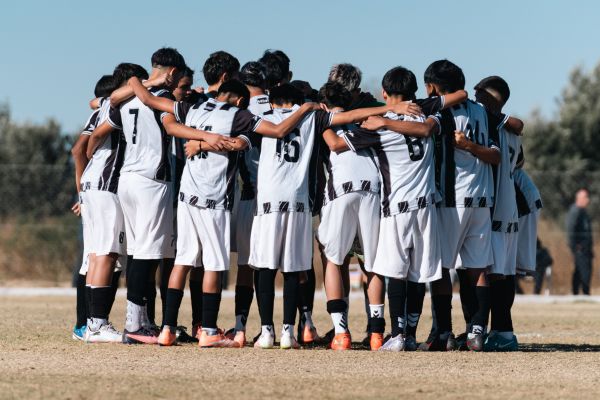
Every sports legend has a beginning that feels almost ordinary. Before the roaring stadiums, endorsement deals, championship rings, and highlight reels, there were early mornings, borrowed equipment, nervous tryouts, family sacrifices, and long stretches of doubt. The world usually meets athletes after they have already become extraordinary, but their real stories often begin in quiet places, far away from cameras.
Looking at famous athletes before they were famous reminds us that greatness rarely arrives fully formed. It grows slowly. It is shaped by small decisions, early failures, stubborn practice, and the people who believe before the rest of the world starts paying attention. Behind every iconic name is a younger version of that person trying to figure things out, just like anyone else.
The Humble Start Behind the Spotlight
Fame can make success look inevitable. Once an athlete becomes a household name, it is easy to imagine they were always destined for greatness. We see the polished version: the perfect jump shot, the explosive sprint, the calm penalty kick, the powerful serve. What we do not always see is the beginning, when the talent was raw and the future was uncertain.
Many famous athletes started in modest settings. Some practiced in neighborhood parks, school gyms, empty streets, or backyard spaces that were far from professional. Their first audiences were often parents, siblings, coaches, classmates, or local fans who noticed something special before it became obvious to everyone else.
Those early years matter because they reveal the human side of achievement. Before fame, athletes are not brands or icons. They are kids with big energy, teenagers with pressure on their shoulders, and young adults wondering if their dream is realistic.
Talent Was Only the First Step
Talent usually appears early, but talent alone does not create a career. Many young athletes are naturally fast, strong, coordinated, or competitive. The difference comes later, when talent has to meet discipline. That is where the real separation begins.
Before they were famous, many athletes had to learn how to train when no one was watching. They had to accept correction, repeat boring drills, build strength, and keep going after bad performances. The public may remember the championship moment, but the foundation was built in ordinary practice sessions that nobody recorded.
This is one of the most important lessons hidden in early athlete stories. Raw ability can open a door, but it does not carry someone all the way through. The athletes who eventually become great usually learn to respect the daily work. They understand that improvement is not glamorous most of the time. It is repetitive, uncomfortable, and sometimes lonely.
The Coaches Who Saw Something Early
Behind many famous athletes is a coach who noticed potential before fame arrived. That coach may not have known they were working with a future superstar, but they saw effort, unusual focus, or a spark that deserved attention.
A good early coach does more than teach technique. They help shape confidence. They tell a young player when to push harder and when to slow down. They correct bad habits before those habits become permanent. Sometimes, they also protect athletes from giving up too soon.
For a young athlete, being seen can be life-changing. One encouraging sentence at the right time can stay with someone for years. Fame often celebrates the athlete alone, but early development is rarely a solo journey. Coaches, teachers, family members, and teammates all become part of the story.
Family Sacrifice and Quiet Support
Many athletes carry family stories into their careers. Before fame, parents or guardians may drive long distances to games, pay for training, adjust work schedules, or give emotional support after disappointing days. Siblings may practice with them, challenge them, or quietly make sacrifices of their own.
These stories are often less dramatic than the final victory, but they are deeply meaningful. Success in sports can require time, money, travel, patience, and belief. For families without many resources, the journey can be even harder. Equipment, coaching, tournament fees, and transportation can all become obstacles.
That is why the early lives of famous athletes often include more than personal ambition. They include a network of people helping in ways that may never appear on a scoreboard. Before the world applauds, someone usually has already been clapping from the sidelines for years.
Early Failure That Built Resilience
One of the most interesting things about famous athletes before they were famous is how often their stories include failure. Some were cut from teams. Some lost important matches. Some were told they were too small, too slow, too inexperienced, or not ready. Others struggled with injuries, confidence, or pressure.
These moments can be painful, especially for young athletes who tie their identity to performance. But failure can also become a turning point. It forces athletes to decide whether they truly love the sport or only love winning. It teaches them how to respond when things do not go their way.
The athletes who rise from early setbacks often develop a stronger mental edge. They know disappointment. They have sat with frustration. They have had to return to practice after feeling embarrassed or overlooked. That experience can become fuel, not because failure is pleasant, but because it teaches survival.
The School Years and Local Recognition
Long before national fame, many athletes first become known in their schools or local communities. They are the student everyone wants on the team, the teenager people whisper about after a big game, or the young competitor whose name starts appearing in local sports conversations.
This stage can be exciting but complicated. Local attention brings pride, but it can also bring pressure. A young athlete may suddenly feel expected to perform every time. Friends, teachers, and neighbors may start talking about scholarships, professional dreams, or future fame before the athlete is emotionally ready for that level of expectation.
Still, local recognition can be an important stepping stone. It gives athletes confidence and opportunities. It may connect them with better coaching, stronger competition, or scouts who can help move their journey forward. In many cases, the road to global fame begins with one local performance that makes people look twice.
The Awkward Growth Before Greatness
It is easy to forget that famous athletes were once beginners. They had awkward phases. They made clumsy mistakes. They had to grow into their bodies, their confidence, and their skill sets. Some were late bloomers who did not stand out immediately. Others showed promise early but needed years to become consistent.
This part of the story is important because it pushes back against the myth of instant greatness. Development is rarely smooth. A young basketball player may struggle with coordination after a growth spurt. A runner may need time to understand pacing. A footballer may have skill but lack strength. A tennis player may have talent but not emotional control during matches.
Before fame, athletes are still becoming themselves. Their early struggles do not cancel their potential. In many cases, those struggles are part of the process that shapes their later success.
Pressure Before the World Was Watching
People often talk about pressure after athletes become famous, but pressure exists long before that. Young athletes may feel pressure to earn scholarships, support their families, meet expectations, or prove that years of sacrifice were worth it. Even without television cameras, the weight can be heavy.
Some handle it quietly. Others struggle. The path to success can be emotionally demanding, especially when a young person is praised mostly for performance. This is why the best early environments focus on growth, not just results. A talented athlete still needs room to be human.
The stories of famous athletes before fame remind us that confidence is built carefully. It can be strengthened by support and damaged by constant criticism. Young athletes need challenge, but they also need patience and perspective.
Why These Early Stories Still Matter
The early lives of athletes matter because they make greatness feel more real. They show that success is not magic. It is not only luck, genetics, or destiny. It is a mix of opportunity, work, support, timing, failure, and personal drive.
These stories also matter for young athletes today. A child watching a superstar may think the gap is too wide. But when they learn that the same superstar once missed shots, lost games, felt nervous, or needed help, the dream becomes less distant. It becomes something built step by step.
Fame may create the legend, but the beginning explains the person.
Conclusion
Famous athletes before they were famous were not finished products. They were learners, strugglers, dreamers, and competitors trying to find their way. Their early stories are filled with practice, doubt, family support, local fields, small gyms, patient coaches, and moments that tested their belief.
That is what makes these stories so valuable. They remind us that greatness is not born under stadium lights. It usually begins quietly, in places where only a few people are watching. Long before the world knows an athlete’s name, the work has already started. And often, that unseen work is the most important part of the journey.