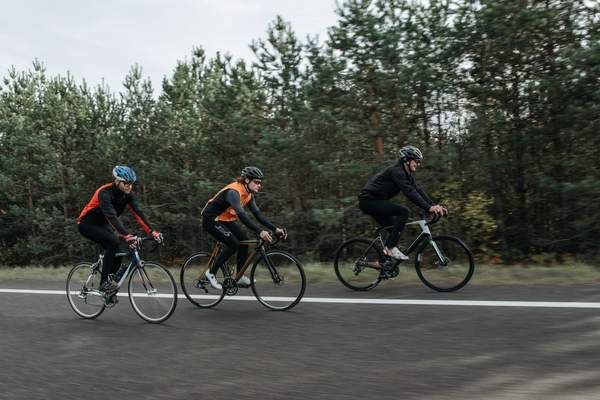
A faster average speed and a comfortable three-hour ride might sound like different ambitions, but they belong in the same road cycling training plan. Endurance helps you keep pedalling when the road rises or a headwind arrives; harder efforts help you produce more power without fading. The trick is giving each ride a purpose rather than turning every outing into a test.
For UK cyclists balancing work, traffic and changeable weather, a repeatable routine matters more than an ambitious schedule abandoned after a fortnight. This plan suits riders already comfortable cycling for about an hour. Beginners should shorten the sessions and progress gradually.
Set a goal you can actually measure
Choose an outcome: finish a 70 km sportive feeling strong, climb a familiar hill more steadily or ride comfortably for longer. Record a typical ride, including duration, perceived effort, weather and how you felt afterwards. Average speed can mislead when wind, hills and junctions change, so compare similar rides rather than obsessing over one number.
Give every ride a different job
Steady endurance
Cycling endurance training should occupy much of your weekly riding time. At this pace, you can speak in full sentences and could comfortably continue beyond the planned finish. These rides develop the aerobic foundation needed for longer distances and recovery between harder efforts. You don’t need expensive equipment; the talk test works well for judging effort.
Purposeful intervals
Cycling interval training alternates demanding efforts with easier pedalling. It prepares you for climbs, changes in pace and faster sustained riding. Start with four repetitions of three minutes at a hard but controlled effort, separated by three minutes of gentle cycling. Warm up for 10–15 minutes and cool down afterwards. Use a quiet, safe stretch of road or an indoor trainer, not a traffic-heavy route.
Recovery
Fitness develops when your body adapts after training. Follow harder workouts with rest or easy movement, prioritise sleep and avoid turning recovery spins into races. British Cycling’s structured-training guidance emphasises progressive workloads and regular lighter weeks, rather than simply adding more miles indefinitely.
A weekly road bike training plan
This example combines three main rides, an optional easy outing and space for strength work. Move the days around your commitments, but preserve recovery between demanding sessions.
Monday: Rest, walk or do gentle mobility work.
Tuesday: Ride for 50–60 minutes, including the four three-minute intervals above. Keep recovery periods genuinely easy.
Wednesday: Take a cycling rest day. If accustomed to strength training, spend 20–30 minutes on manageable leg, hip and core exercises.
Thursday: Ride easily for 60–75 minutes, maintaining a conversational pace even on hills.
Friday: Rest and prepare your bike and weekend route.
Saturday: Complete a steady endurance ride of 90–150 minutes, depending on your current ability. Practise pacing, drinking and eating rather than chasing a record.
Sunday: Rest, or spin gently for 30–45 minutes if your legs feel fresh. The extra session is optional.
If two riding days are all you can manage, prioritise one longer easy ride and one shorter focused workout. Consistency is more valuable than cramming too much into a weekend.
Build up across four weeks
In week one, stay within distances you already handle. In week two, modestly extend Thursday’s or Saturday’s ride if recovery feels good. In week three, add a little more endurance time or a small amount of interval work, but not a big jump in both. Make week four easier by reducing volume and intensity before beginning another block.
For example, someone comfortable with a 90-minute Saturday ride might try 100 minutes the following week and 110 minutes the week after, then ease back. These are illustrations, not required targets. Persistent soreness, poor sleep or unusual tiredness mean the workload needs adjusting.
Repeat a familiar route after your easier week. You might climb more smoothly, finish less exhausted or maintain the same effort for longer. Those improvements are often more revealing than a single average-speed figure.
Adapt the plan to British roads and weather
A cold January evening might suit an indoor trainer; a dry spring morning can make the longer ride easier to enjoy. Keep the purpose of the session while changing its location. On icy roads, safety takes priority over completing an outdoor workout.
Choose uninterrupted, quiet roads for intervals rather than routes with roundabouts and frequent stops. For endurance rides, select quieter roads or suitable cycle routes where you can settle into a rhythm. In hilly areas, shift into an easier gear and allow speed to fall rather than attacking every climb.
Imagine preparing for a Yorkshire sportive: practise climbing on a local loop during the week, then ride steadily over varied terrain on Saturday. Plan food stops and a safe return route before leaving. A useful companion to training is learning how to plan cycling routes that match the workout.
Fuel your harder and longer rides
Starting a long ride under-fuelled can undermine an otherwise sensible plan. Eat regular balanced meals, carry familiar snacks and practise fuelling during training. For rides longer than around 90 minutes, British Cycling suggests roughly 30–60 g of carbohydrate per hour as a starting point, tailored to intensity and tolerance.
Drink regularly, adjusting for weather, sweat and effort. A banana, malt loaf or familiar cycling snack can be perfectly practical. Test your choices before an event rather than experimenting on the day. Learning cycling nutrition for long rides is part of becoming more consistent, not an optional extra.
Common questions
How many days each week should I cycle?
Three purposeful rides are a practical starting point for many riders with an existing fitness base. Add an easy fourth session only when recovery and time allow. Newer riders may start with two shorter outings.
Should I increase speed or distance first?
Establish comfortable endurance before introducing more demanding intervals. Riding hard every day usually makes recovery and consistent progress harder.
Do I need a power meter or heart-rate monitor?
No. These tools can help, but perceived effort, the talk test and a simple training diary are sufficient for a useful plan. Good bike fit and consistent pacing matter too.
How quickly will my fitness improve?
Some riders notice steadier pacing within several consistent weeks, but the timeline varies with experience, recovery and available training time. Look for trends across multiple rides, not a guaranteed deadline.
Make consistency the main goal
The best road cycling training plan fits your life and remains flexible enough to survive rain, work commitments and occasional tired legs. Protect easy endurance sessions, make intervals deliberate and give recovery its place. Over time, structured weeks build the road cycling fitness that makes both speed and distance feel more manageable.