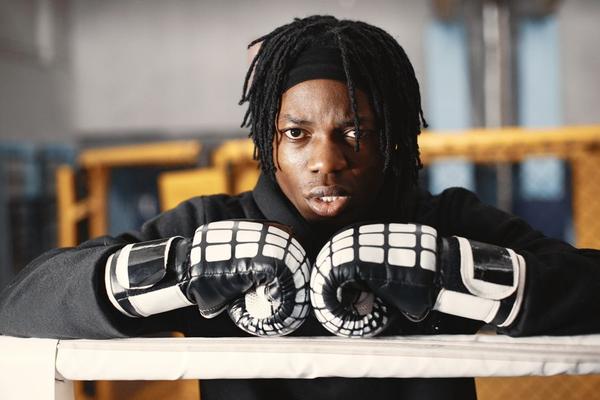
Every athlete knows the feeling. Your legs are ready, your technique has been drilled a thousand times, and yet somewhere between the locker room and the starting line, your mind starts working against you. Whether you’re a weekend tennis player, a club-level footballer, or a competitive swimmer chasing a personal best, the gap between practice performance and game-day performance almost always comes down to one thing: mental toughness. It’s the invisible skill that separates athletes who fold under pressure from those who thrive on it, and the good news is that it isn’t some rare gift handed to a lucky few. It’s trainable, just like your jump shot or your sprint speed.
Sports psychology has spent decades studying what actually happens in an athlete’s head before, during, and after competition. The findings are consistent across disciplines: mental toughness training works the same way whether you’re stepping onto a football pitch, a wrestling mat, or a golf course. Below are practical, research-backed techniques you can start using immediately, regardless of your sport.
What Mental Toughness Actually Means
Mental toughness isn’t about suppressing emotion or pretending you’re not nervous. It’s the ability to consistently perform near your potential regardless of competitive pressure, setbacks, or distractions. Sports psychologists often break it down into four components: confidence, focus, composure under pressure, and resilience after mistakes. Athletes who score high in these areas don’t necessarily feel less pressure than everyone else. They’ve simply learned how to respond to it differently.
This distinction matters because a lot of amateur athletes assume toughness means eliminating nerves entirely. That’s not realistic, and chasing it usually backfires. The goal isn’t a calm, empty mind. It’s a mind that can function well even when it’s not calm.
Managing Pre-Game Anxiety Before It Manages You
Pre-game anxiety is one of the most common complaints among competitive athletes, and it shows up everywhere from youth sports to professional arenas. A racing heart, sweaty palms, and a stomach full of butterflies an hour before competition are completely normal physiological responses. The problem isn’t the anxiety itself; it’s how athletes interpret it.
Reframe the Physical Symptoms
Research in performance psychology has shown that athletes who relabel anxiety as “excitement” or “readiness” rather than “fear” tend to perform better. The physical sensations are nearly identical, but the story you tell yourself about them changes how your body and brain respond. Next time your heart starts pounding before kickoff or tip-off, try silently telling yourself, “This means I’m ready,” instead of “I’m nervous.”
Build a Pre-Competition Routine
A consistent warm-up routine does more than prepare your muscles. It gives your mind something familiar and controllable to focus on when everything else feels unpredictable. This could be a specific stretching sequence, a set playlist, or a short breathing exercise you do the same way every single time. Predictability calms the nervous system, and elite athletes across nearly every sport rely on ritual for exactly this reason.
Sports Mindset Tips for Staying Present During Competition
Once the whistle blows, the mental game shifts from managing anticipation to managing attention. Athletes who struggle under pressure are usually struggling with focus, not physical ability. Their mind drifts to the scoreboard, to a mistake three minutes ago, or to what happens if they lose.
Use Cue Words
Many sports psychologists recommend short, specific cue words that pull attention back to the present task. A tennis player might silently say “bounce, hit” before each serve. A distance runner might repeat “relax shoulders” when fatigue sets in. These cues interrupt spiraling thoughts and redirect focus to something actionable, right now, in this moment.
Control What You Can Control
This phrase gets repeated so often in sport that it risks sounding like a cliché, but it holds up because it’s genuinely useful. You can’t control a referee’s decision, the weather, or an opponent’s skill level. You can control your effort, your attitude, and your next action. Athletes who mentally categorize situations this way waste less energy on frustration and recover faster after bad breaks.
Mental Toughness Training for the Long Term
Mental toughness isn’t built in a single pep talk before a big match. It’s developed the same way physical strength is: through repeated, deliberate practice over time.
Practice Under Simulated Pressure
If you only ever practice in low-stakes conditions, competition day will always feel like unfamiliar territory. Coaches increasingly build pressure into training itself, whether that’s scoring drills that count toward a consequence, practicing free throws after sprints when fatigue is high, or simulating a hostile crowd with noise during scrimmages. Exposing yourself to controlled pressure builds tolerance for the real thing.
Keep a Performance Journal
Writing down what worked, what didn’t, and how you felt after training sessions or competitions builds self-awareness over time. Patterns emerge. Maybe you notice your focus drops in the third quarter every single game, or that anxiety spikes specifically before away matches. Once you can name the pattern, you can build a specific strategy to address it.
Set Process Goals, Not Just Outcome Goals
Wanting to win is natural, but outcome goals are largely outside your control since they depend on your opponent too. Process goals, like maintaining a high work rate for all four quarters or hitting a specific technical cue on every attempt, keep your attention on what you can actually influence. Athletes who anchor themselves to process goals tend to handle losses with more resilience because their sense of success isn’t tied entirely to the scoreboard.
Bouncing Back From Mistakes Mid-Competition
Every athlete makes mistakes. What separates mentally tough competitors isn’t a lack of errors, it’s the speed of recovery afterward. A missed penalty, a double fault, a dropped pass; these moments either get processed quickly or they snowball into a string of further mistakes.
One effective technique is the “25-second rule” used by many sports psychologists: give yourself a brief, fixed window to acknowledge frustration, and then physically reset, whether that’s adjusting your jersey, bouncing the ball twice, or taking one deliberate breath, before moving on. This creates a clear boundary between the mistake and the next play, rather than letting frustration bleed into subsequent performance.
Frequently Asked Questions
Can mental toughness really be trained, or is it something you’re born with?
It can absolutely be trained. While some people may have a natural tendency toward composure, the vast majority of mental toughness is built through deliberate practice, exposure to pressure situations, and consistent mental routines, much like any physical skill.
How long does it take to notice improvements in mental toughness?
Most athletes report noticeable shifts within four to six weeks of consistently practicing techniques like pre-competition routines, cue words, and process goal setting. Lasting change, however, tends to develop over a full competitive season or longer.
Is pre-game anxiety a sign that something is wrong?
Not at all. Pre-game anxiety is a normal physiological response and is common even among elite, highly experienced athletes. The goal isn’t to eliminate it but to learn how to interpret and work with it effectively.
Do these techniques work for team sports as well as individual sports?
Yes. While the specific application may differ, for example team communication versus solo focus techniques, the underlying principles of managing anxiety, staying present, and building resilience apply across both individual and team-based competition.
Mental toughness isn’t a personality trait reserved for elite competitors. It’s a set of learnable skills that any athlete, at any level, can develop with consistent effort. Start small: pick one technique from this article, whether it’s a pre-game routine, a cue word, or a process goal, and practice it deliberately over your next few sessions. The mental side of sport responds to training just like the physical side does, and the athletes who take it seriously tend to be the ones who perform when it actually counts.