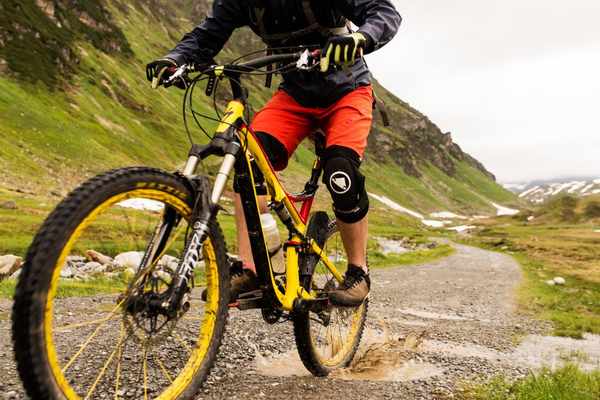
Choosing between a hardtail and a full suspension mountain bike is less about which one is “better” and more about which suits your usual rides. A lightweight hardtail can be brilliant on flowing woodland tracks, while a full suspension bike may feel calmer when roots, rocks and repeated bumps take over. Price, tyres and riding technique can matter almost as much as the suspension layout.
If you are weighing up a hardtail vs full suspension mountain bike for UK trails, start with the terrain you ride most often, not the steepest descent you hope to tackle once a year.
What actually changes between the two designs?
A hardtail MTB has a suspension fork at the front and a rigid rear triangle. Your arms benefit from the fork, but your legs and body must manage impacts at the back wheel. A full suspension MTB adds a rear shock and a moving rear suspension linkage or frame arrangement, allowing both wheels to move over obstacles.
Both are established mountain bike suspension types, and neither automatically dictates how aggressive a bike will feel. Geometry, suspension travel, frame design, tyres and components also shape its character. A modern trail hardtail can be more descent-focused than a short-travel cross-country full suspension bike.
Climbing and pedalling: the advantage is not absolute
On smoother climbs, a hardtail often feels direct and lively. It commonly weighs less at a comparable specification, and there is no rear suspension moving beneath your pedalling effort. That can make accelerating out of corners and climbing firm tracks satisfying.
On loose, rocky or root-strewn climbs, however, rear suspension can help the back tyre follow the ground. Better contact may improve traction and reduce the need to lift yourself off the saddle whenever an obstacle appears. Modern full suspension designs can pedal efficiently, so assuming every rear shock wastes lots of energy is outdated.
Picture a long fire-road climb followed by a short technical ascent. The hardtail may feel sprightlier on the road, but the full suspension bike could make the rocky section easier to clear without losing momentum. Tyres, fit, fitness and setup change the equation.
Descending: where rear suspension earns its place
On smoother descents, both bikes can be quick and enjoyable. A hardtail gives clear feedback from the trail and rewards thoughtful line choice. As the surface becomes rougher, that feedback can turn into extra work for your feet, knees and arms.
A well-set-up full suspension bike generally absorbs repeated rear-wheel impacts more effectively. That can improve control, preserve traction and reduce fatigue through long, chattery descents. It does not make a difficult feature safe by itself, and a rider still needs sound braking, body position and judgement.
Comfort, weight and maintenance compared
Comfort over a whole ride
Rear suspension can reduce jolts on long rocky rides, although tyre casing, pressure and correct suspension setup also affect comfort. Excessively firm tyres can make either bike harsh.
Weight and carrying the bike
Hardtails are often lighter at similar prices, but compare complete bike weights rather than relying on the label. Weight matters on long climbs and when lifting a bike onto a rack.
Cleaning and servicing
Hardtails avoid rear shock and linkage maintenance. Full suspension adds parts that require inspection and manufacturer-specified servicing. Both designs need regular cleaning, particularly after muddy UK rides.
Before buying used, inspect suspension stanchions, seals and frame condition, and ask for service history. Neglected rear suspension can turn an apparent bargain into an expensive project. See our guide to mountain bike maintenance for routine checks.
What suits typical UK riding?
Trail names can sound intimidating, but difficulty grades are more useful than reputation alone. UK trail centres commonly describe green routes as easy, blue as moderate, red as difficult and black as severe, with grading systems evolving at some locations. Always check the trail centre’s current signs and guidance before riding.
Forest roads, towpaths and flowing blue trails
A hardtail is often excellent value here. It is straightforward to maintain and responsive on undulating ground. If most weekends involve gravel climbs, smoother singletrack and a few roots, spending more on a good fork, dependable brakes and suitable tyres may be wiser than buying the cheapest full suspension option.
Rough red trails and natural rocky descents
Full suspension becomes more appealing as impacts grow frequent, particularly when descents are long or rocky. The added comfort and rear-wheel control can help you finish less battered. That said, a capable trail hardtail with appropriate geometry and tyres can still be great fun on many red routes when the rider has the necessary skills.
Bike parks and technical black trails
For repeated steep, rough descents, a suitable full suspension trail, enduro or downhill bike is commonly the more comfortable choice. Suspension travel and overall bike design should match the terrain; simply having a rear shock is not enough. Check trail restrictions and choose features within your ability.
How to choose without overspending
Think about where your money goes. At the same budget, a hardtail may offer a better fork, stronger brakes or more reliable drivetrain than an entry-level full suspension model. A higher-spec hardtail is often a smarter buy than a poorly equipped bike with two shocks. Conversely, if rough descents dominate your riding, paying more for good rear suspension may deliver an everyday benefit.
Try both designs on similar trails if possible. Ride a seated climb, a standing climb, a rooty corner and a series of small bumps. Notice rear-wheel grip, how much you move around the bike and how fresh you feel afterwards. Before the test, ask the shop to set tyre pressures and suspension sag for your weight; an incorrectly adjusted bike gives a misleading impression. Our mountain bike tyre pressure guide can help explain that starting point.
If you are new to off-road riding, do not mistake more suspension for a shortcut to technique. Braking smoothly, looking ahead and learning to unweight the wheels will improve either bike. Our beginner mountain biking skills guide is a useful companion to the buying decision.
Frequently asked questions
Is a hardtail or full suspension better for beginners?
Either can work. A hardtail is usually simpler and better value, while full suspension may feel more forgiving over rough ground. Choose a bike that fits properly and matches the trails you intend to ride.
Can you ride red trails on a hardtail MTB?
Yes, many riders do, but trail difficulty, bike capability and rider skill matter. Expect to work harder to absorb repeated rear-wheel bumps, and inspect features before committing.
Is full suspension always slower uphill?
No. A hardtail may feel quicker on smooth gradients, but rear suspension can maintain traction over obstacles.
Which costs less to maintain?
Usually the hardtail. Both require normal brake, tyre, drivetrain and fork care, but full suspension adds a rear shock and pivot hardware that need attention.
Which should you buy?
Choose a hardtail if your priority is value, simplicity, lively handling and plenty of smoother rides. Lean towards full suspension if your regular trails are rough, descending matters most or comfort over long outings is a priority. The best decision comes from your ordinary Saturday ride, not the most extreme trail in a promotional video.