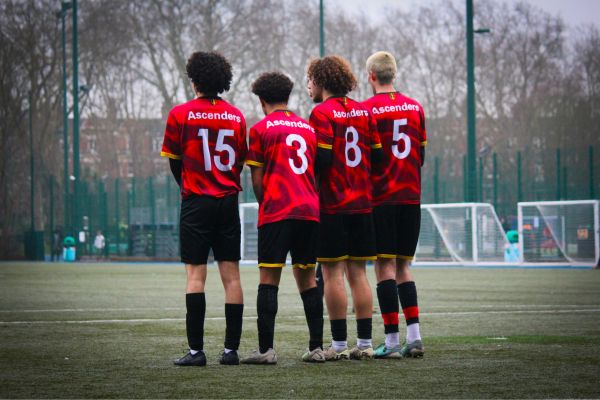
Sports uniforms go through a lot. They collect sweat, grass stains, dirt, body oils, sunscreen, mud, and sometimes that stubborn locker-room smell that seems to settle into the fabric after only one tough game. Whether the uniform belongs to a school athlete, a weekend player, or someone training several times a week, washing it properly matters more than most people realize.
A sports uniform is not just another T-shirt and pair of shorts. Many uniforms are made from performance fabrics designed to stretch, breathe, and wick moisture away from the body. They may also include printed numbers, embroidered logos, patches, mesh panels, elastic waistbands, and delicate color combinations. Wash them carelessly, and the fabric can lose shape, colors can fade, and lettering can crack or peel.
Learning how to wash sports uniforms the right way helps keep them fresh, clean, and game-ready without wearing them out too quickly. The process is not complicated, but it does require a little care, especially when stains and odors are involved.
Start With the Care Label Before Anything Else
The care label may be tiny, but it is the best place to start. Different uniforms use different materials, and the washing instructions can vary. Some uniforms tolerate machine washing easily, while others need cooler water, gentle cycles, or air drying only.
Most sports uniforms are made with synthetic fabrics such as polyester, nylon, spandex, or blends designed for movement. These fabrics usually respond better to cold or warm water rather than hot water. Heat can weaken elastic fibers and damage printed designs. It can also set certain stains, making them harder to remove later.
If the label says not to use bleach, take that seriously. Bleach may seem like a quick fix for white uniforms, but it can weaken fabric, yellow certain materials, and damage colored trims or logos. A uniform should look clean, yes, but it also needs to survive the season.
Do Not Let Dirty Uniforms Sit Too Long
One of the biggest mistakes people make is leaving sweaty uniforms in a gym bag overnight. It happens easily. After practice, the uniform gets tossed into a bag, the bag lands near the door, and by the next morning, the smell has already started to settle in.
Moisture gives odor-causing bacteria more time to grow. Sweat and body oils also sink deeper into the fabric when clothes stay damp and packed together. If you cannot wash the uniform right away, at least take it out of the bag and let it air out. Hang it over a chair, place it in a laundry basket with airflow, or spread it somewhere dry.
This small habit makes washing easier. A uniform that has been allowed to dry and breathe is far less likely to hold onto strong odors. It also reduces the chance of mildew, especially during humid weather or after rainy games.
Shake Off Dirt and Brush Away Loose Debris
Before washing, remove as much loose dirt as possible. This is especially important for soccer, baseball, softball, football, rugby, and outdoor training uniforms. Mud, grass, and field dust can spread through the wash and make the water dirtier than it needs to be.
Let mud dry first if possible. Wet mud smears and sinks deeper into fabric, while dry mud is easier to shake or brush off. A soft brush or even your hand can remove surface dirt before the uniform goes into the machine.
Check pockets too. Tissues, tape, wrappers, hair ties, and small sports accessories can create a mess in the wash. It is a simple step, but it saves plenty of frustration.
Treat Stains Before Washing
Sports stains need attention before the wash cycle begins. Once heat or repeated washing sets a stain, it becomes much harder to remove. Grass stains, mud, clay, blood, sweat marks, and food spills all respond better when treated early.
For grass and mud, gently work a small amount of mild detergent into the stained area and let it sit for a short time before washing. Avoid scrubbing too harshly, especially around printed numbers or logos. Rough scrubbing can damage the fabric surface or loosen designs.
For sweat stains and odor-heavy areas, focus on the underarms, collar, waistband, and any tight-fitting sections. These areas collect body oils and bacteria. A gentle pre-treatment helps the detergent work more effectively in the wash.
Blood stains should be handled with cold water. Hot water can set blood into the fibers. Rinse the stain from the back of the fabric when possible, then treat it before washing.
Turn Uniforms Inside Out
Turning uniforms inside out is one of the easiest ways to protect them. It reduces friction on the outer surface, which helps preserve colors, logos, numbers, and printed details. During a wash cycle, clothing rubs against other garments and the drum of the machine. Over time, that friction can cause fading, pilling, or cracking on printed areas.
This step is especially important for uniforms with heat-pressed numbers or names. These designs can last well with proper care, but they do not respond well to harsh washing, high heat, or rough handling.
Inside-out washing also helps detergent reach the areas that need it most. Sweat and body oils usually collect on the inside of the uniform, so this method cleans from the right side of the fabric.
Use Cold Water for Most Sports Uniforms
Cold water is usually the safest choice for sports uniforms. It protects color, reduces shrinkage risk, and helps preserve elastic fibers. It is also gentler on printed designs and delicate trims.
Warm water can be useful for very dirty uniforms, but it should be used carefully. If the uniform has bright colors, printed lettering, or stretch fabric, cold water is usually better. Hot water should generally be avoided unless the care label specifically allows it.
Cold water does not mean poor cleaning. A good detergent and proper pre-treatment can remove most sweat and dirt without needing high heat. The key is not just the water temperature, but the whole washing routine.
Choose the Right Detergent and Use the Right Amount
A mild liquid detergent is usually a good choice for sports uniforms. Liquid detergent dissolves well and can work into synthetic fibers more easily than some powders. If the uniform has heavy odor, a detergent designed for activewear may help, but even a standard detergent can work well when used correctly.
More detergent does not mean cleaner clothes. In fact, too much detergent can leave residue behind. That residue traps odors, makes fabric feel stiff, and reduces the performance of moisture-wicking materials. Sports fabrics need to stay clean and breathable, not coated.
Use the recommended amount based on load size and soil level. If uniforms still smell after washing, the problem may be detergent buildup, overcrowding, or drying habits rather than too little soap.
Avoid Fabric Softener
Fabric softener may make towels feel fluffy, but it is not a good match for most sports uniforms. It can coat synthetic fibers and reduce their ability to wick moisture. Over time, this coating can also trap odors and make uniforms harder to clean.
The same applies to dryer sheets. They may leave a soft feel at first, but they can interfere with performance fabrics. For sports uniforms, clean and breathable is more important than artificially soft.
If a uniform feels stiff, it may need a better rinse, less detergent, or a more careful drying method. Softener is usually not the answer.
Wash Uniforms With Similar Items
Sports uniforms should be washed with similar colors and fabrics. Heavy items such as jeans, towels, or hoodies can be rough on lightweight uniforms. Zippers, buttons, and rough textures can snag mesh panels or scrape printed designs.
A small or medium load is better than stuffing the machine full. Uniforms need room to move so water and detergent can circulate properly. Overloading the washer can leave dirt and odor behind, even if the cycle runs completely.
If the uniform is delicate or has detailed printing, a mesh laundry bag can provide extra protection. It is not always necessary, but it can be helpful for special jerseys or expensive team kits.
Choose a Gentle or Normal Cycle
A gentle cycle works well for uniforms with delicate details, printed names, or lightweight mesh. A normal cycle may be fine for tougher practice gear, but it should not be overly aggressive. The goal is to clean the uniform without beating it up.
High-speed spinning can sometimes stretch or wrinkle certain fabrics. If the uniform has fragile details, choosing a gentler spin can help. Again, the care label should guide the decision.
The best washing method is one that removes sweat and dirt while keeping the uniform’s structure intact. Clean does not have to mean harsh.
Air Dry Whenever Possible
Drying is where many sports uniforms get damaged. High heat can shrink fabric, weaken elastic, and cause printed numbers or logos to crack. Even if the uniform survives once, repeated high-heat drying can shorten its life.
Air drying is usually the safest option. Hang the uniform on a drying rack, lay it flat, or place it on a hanger in a well-ventilated area. Avoid direct harsh sunlight for long periods, especially with dark or bright colors, because it can cause fading.
If you must use a dryer, choose a low-heat or air-only setting, and remove the uniform while it is still slightly damp. But for uniforms with printed designs, air drying is almost always better.
Handle Odors Without Harsh Treatment
Sports odors can be stubborn, especially in synthetic fabrics. The mistake is trying to attack the smell with heat, extra detergent, or strong products. Often, that makes the problem worse.
A better approach is to rinse sweaty uniforms soon after use, pre-treat odor-heavy areas, avoid fabric softener, and let the uniform dry fully before storing it. If the odor remains, soaking the uniform in cool water with a small amount of detergent before washing can help loosen buildup.
The main thing is consistency. A good routine prevents deep odor buildup, while emergency cleaning after weeks of neglect is much harder.
Store Clean Uniforms Properly
Once the uniform is clean and dry, storage matters. Never fold or pack it away while damp. Even a little moisture can create musty smells. Keep uniforms in a dry place with good airflow, especially during the sports season when they are used often.
If a uniform has numbers or logos, avoid folding directly across printed areas every time. Repeated creasing can weaken designs. Hanging the uniform or folding it loosely can help preserve its shape and appearance.
Clean storage also saves time on game day. There is nothing worse than reaching for a uniform and realizing it smells stale or has a stain that should have been treated days ago.
Conclusion: Clean Uniforms Last Longer and Feel Better
Knowing how to wash sports uniforms properly is really about protecting both the fabric and the effort that goes into wearing it. A uniform carries practice hours, game-day nerves, muddy fields, hot gyms, and plenty of sweat. It deserves better than being tossed into hot water and dried on high heat without a second thought.
The best routine is simple. Air out uniforms quickly, treat stains early, wash in cold water, avoid fabric softener, turn garments inside out, and let them air dry whenever possible. These small steps help preserve color, shape, stretch, and printed details.
A clean uniform does more than look good. It feels fresher, performs better, and gives the athlete one less thing to worry about before stepping onto the field, court, track, or mat. With the right care, sports uniforms can stay ready for the next practice, the next game, and the next hard-earned win.